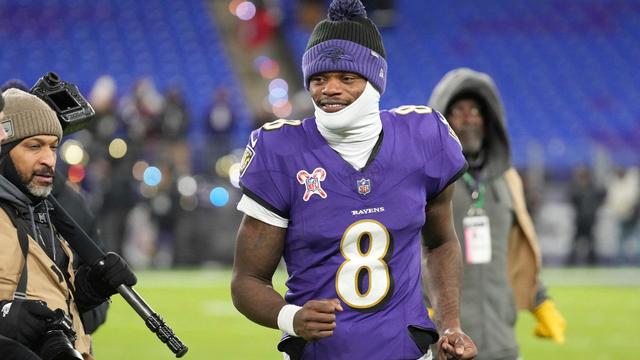
Baltimore Ravens looking forward to "meaningful" Christmas Day game in Houston
For the second year in a row, the Baltimore Ravens will be on the road, playing on Christmas Day.
Watch CBS News
For the second year in a row, the Baltimore Ravens will be on the road, playing on Christmas Day.
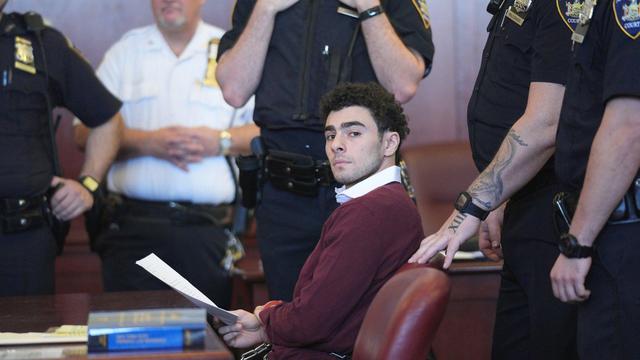
A Baltimore defense attorney weighed in on what's next for Maryland native Luigi Mangione.
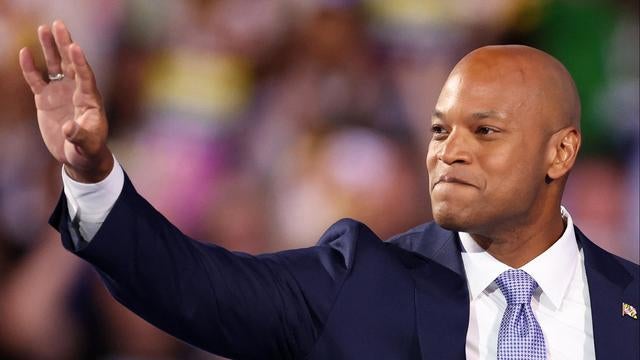
Maryland Gov. Wes Moore received a Bronze Star for his deployment to Afghanistan 18 years ago.
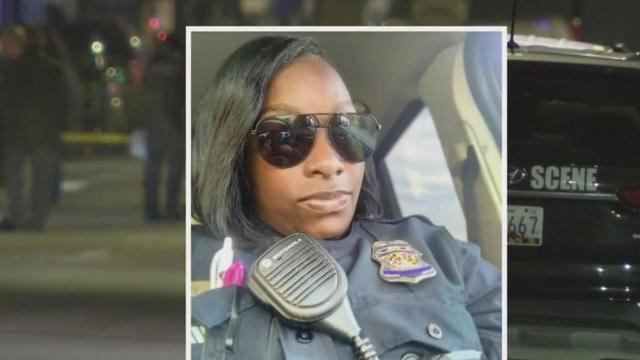
Three years ago, the Baltimore Police Department lost a member of its force when Officer Keona Holley was killed during an ambush while on duty.

Myles Turner made a 3-pointer from the top of the arc with 16 seconds left and had 23 points and 10 rebounds, Pascal Siakam added 20 points and the Indiana Pacers beat the Golden State Warriors 111-105 on Monday night for their fifth straight win.
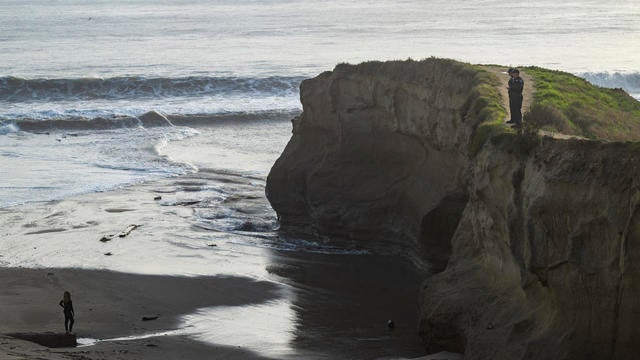
One person died on a Santa Cruz County beach and two went missing in Monterey County Monday after large waves battered the Northern California coastline amid a high surf warning.

After their 93rd day of striking, Hilton Hotel workers have reached a tentative new contract agreement that they will vote on Tuesday.
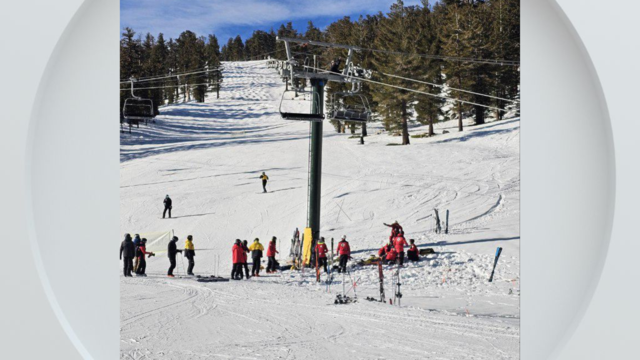
At least five people were hospitalized after an incident on a Heavenly Ski Resort chairlift, officials confirmed Monday.

Boston's late comeback fell just short as they fell to the Orlando Magic, 108-104.

Elias Lindholm scored with 6:19 left to break a third-period tie, and the Boston Bruins killed a five-minute penalty without allowing a shot on goal on Monday night.
A Massachusetts State Police Trooper has been suspended without pay and is facing criminal charges.
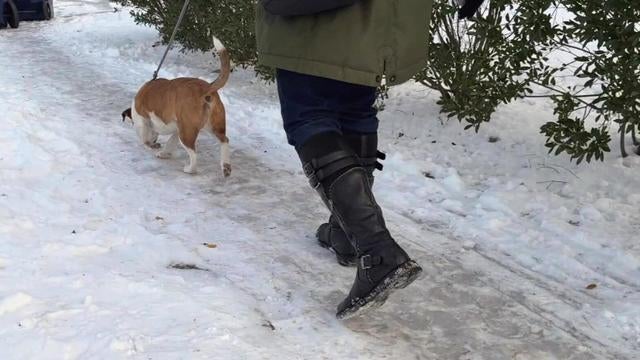
After a surprising amount of snow in Boston last week, many sidewalks were not cleared and have become slippery.

Adam Goldin tried for months to get the matter resolved, to no avail. Fortunately, things changed quickly once a TV station got involved.
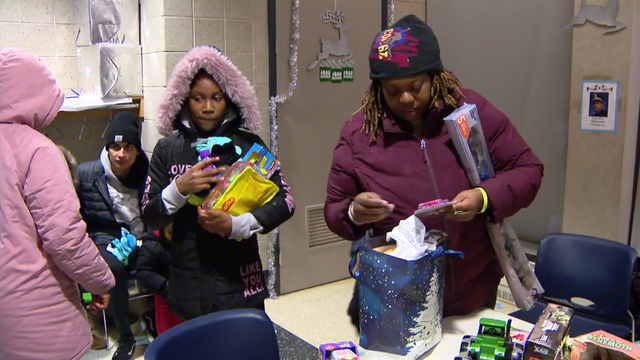
Boys and girls from the West Side turned out to the Austin District station for huge toy giveaways—from bikes to Nintendo Switches.
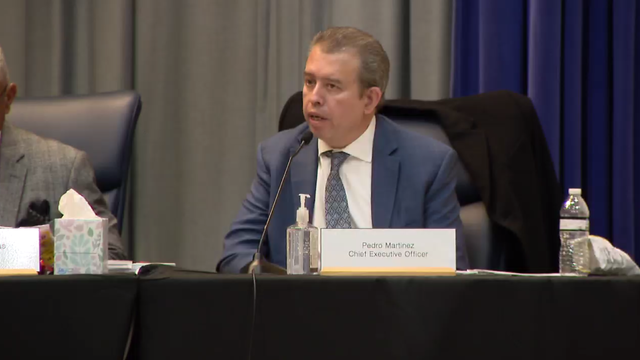
Martinez's lawyer says he is asking a judge to guarantee that no one can stand in the way of Martinez doing his job while he is still in office.

Jason Dickinson scored for the 'Hawks with 33 seconds left, but the Blackhawks were unable to come up with the tying goal.

Holiday purchases can rack up quickly, adding to the increasing nationwide card debt problem.
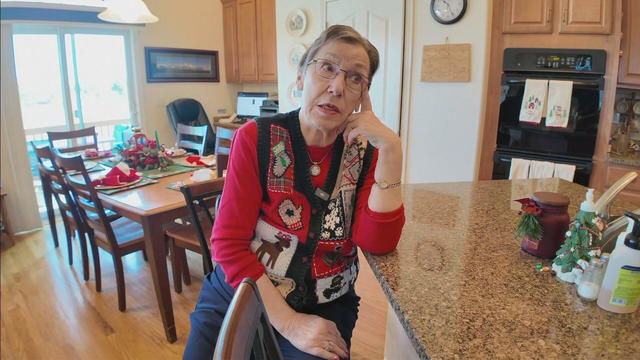
It was a very special holiday season for an Aurora resident recovering after a unique surgery.
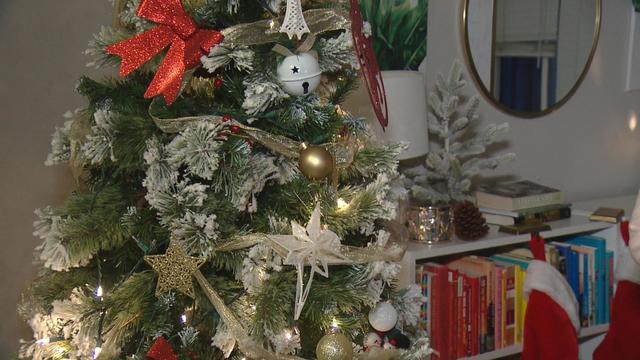
A Denver family's holiday became a nightmare when burglars broke into their home and stole all the presents for their young daughter.

A controversial development in Douglas County will now seek approval through the town of Castle Rock.
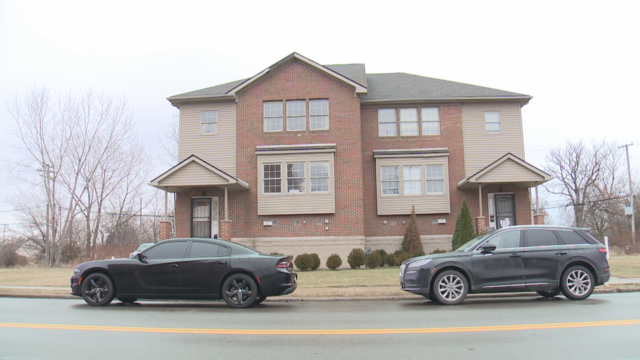
"I didn't know any of this was happening to me," said Charmprell Anderson. "It's important for me and my kids because now we can have a place to call our own."
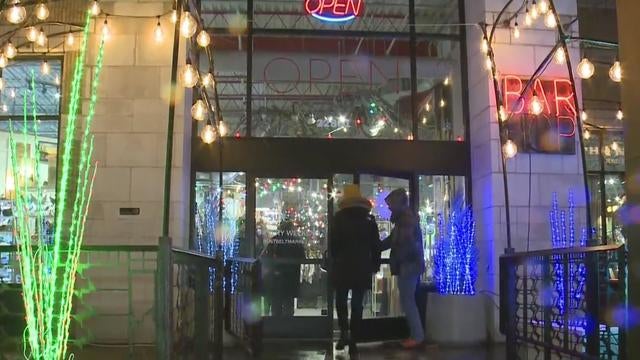
With Christmas just around the corner, Michiganders scrambled with haste to finish their Christmas shopping Monday night.
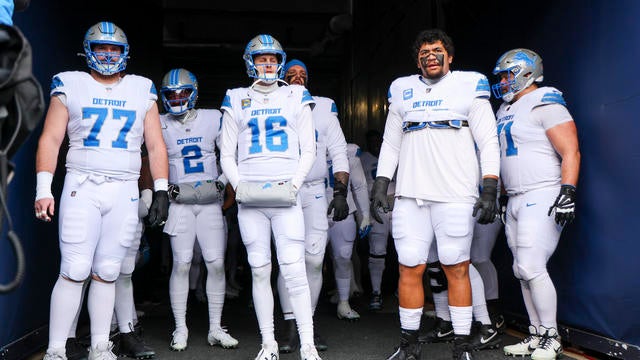
The Detroit Lions watched Washington beat Philadelphia on their cellphones following a 34-17 bounce-back win at Chicago that helped them keep pace with Minnesota in the race for the NFC North title and top seeding in the conference.

Prosecutors say more charges may come pending a completed investigation from the Warren Police Department.
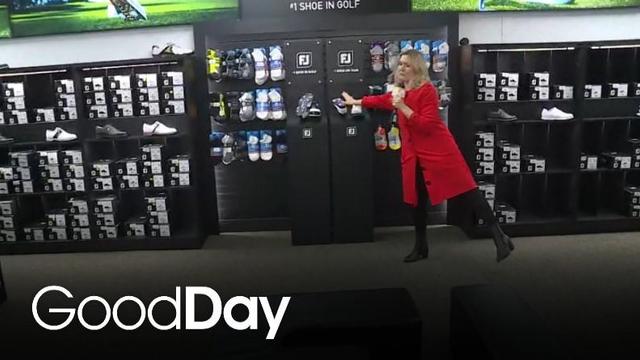
Running out of ideas and time for the perfect gift? We're stopping by Haggin Oaks Golf Complex for some last-minute inspiration! We're checking out the new addition to the Golf Super Shop: an all new 3500 square feet shoe store and putting lab.

For the 10th year, the Painted Ladies Rodeo Performers will represent Northern California in the Tournament of Roses Parade in Pasadena. We're catching up with the group to hear about the honor!

Ring in the New Year at Midtown Spirits with an all-day brunch on January 1st to celebrate National Bloody Mary Day! Start your year right with their signature Bloody Marys and seasonal cocktails, perfect for curing the New Year's Eve hangover. Whether you're looking for a relaxed brunch vibe or festive drinks to kick off 2024, Midtown Spirits has you covered.

The color of the season is red, but finding the perfect red lipstick can be tricky. Courtney is standing by with a beauty expert who’s ready to help you find your perfect shade of red!
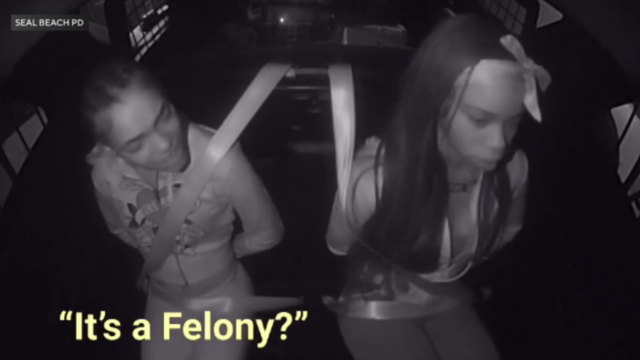
"It's a felony?" A recently viral video shows the moments that two shoplifters discuss Proposition 36, one of the new laws in effect in California that now makes stealing a felony, all while sitting handcuffed in the back of a police car.

Tomas Hertl scored a go-ahead goal in the third period, Adin Hill made 31 saves and the Vegas Golden Knights defeated the Anaheim Ducks 3-1.

The Detroit Pistons held off the Los Angeles Lakers 117-114 to sweep the clubs' season series.

Undercover police saw 43-year-old Anthony Hanzal steal multiple boxes of Legos before leaving a grocery store in Fullerton, prompting what ended up being a deadly pursuit on Dec. 18.

A person was found dead in the water and five others had to be rushed to local hospitals following a boat fire.

Residents of the Li'l Abner Mobile Home Park in Sweetwater say they have little reason to celebrate this holiday season.
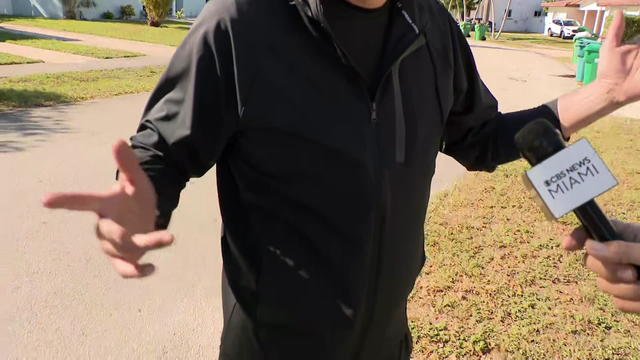
A Westchester man said he chased alleged thieves for 14 miles to recover his stolen SUV.

CBS News journalists across the country dropped cold drink cups — with trackers attached inside — into recycling bins at Starbucks locations.

Brock Faber snapped a tie in the third period, and the Minnesota Wild stopped a four-game losing streak by edging the Chicago Blackhawks 4-3.

Most grocery stores will be open on Christmas Eve but will have reduced hours.

Garrison Mathews made a career-best seven 3-pointers and scored a season-high 25 points off the bench as the Atlanta Hawks knocked off the Minnesota Timberwolves 117-104.

The Sam Darnold-to-Justin Jefferson connection was at its best for the Minnesota Vikings in a 27-24 victory over the Seattle Seahawks that stretched their winning streak to eight.

Here's which food stores, restaurants and other chains are open and closed today, Christmas Eve 2024.

Rasmus Dahlin had four assists and the Sabres stopped a 13-game slide by routing the Islanders 7-1 on Monday night.

Karl-Anthony Towns and OG Anunoby combined for 62 points in the Knicks' fourth straight win, 139-125 over the Raptors on Monday night.
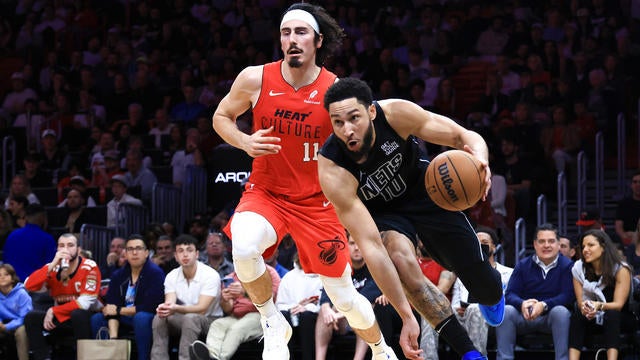
Bam Adebayo scored 17 of his 23 points in the second half and the Heat snapped a three-game skid with a 110-95 win over the Nets on Monday night.
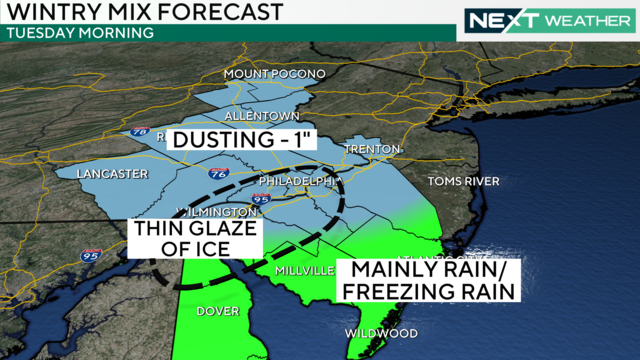
A band of precipitation could bring some snow to the Lehigh Valley and make for slick roads in Philadelphia Tuesday morning.

The Penguins beat the Philadelphia Flyers 7-3 on Monday night in Pittsburgh.

Tyrese Maxey scored 32 points, and the Philadelphia 76ers rallied after Joel Embiid was ejected to beat the San Antonio Spurs.

State police are searching for a suspect accused of being involved in a double shooting on I-95 in Upper Chichester Township, Delaware County, in October 2023.
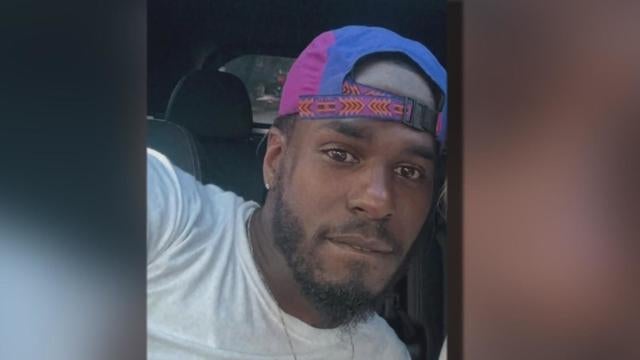
A man shot and killed in Aliquippa over the weekend is being remembered by his loved ones.

A government panel has failed to reach consensus on the possible national security risks of a nearly $15 billion proposed deal for Nippon Steel to purchase U.S. Steel.

The Pittsburgh Penguins beat the Philadelphia Flyers 7-3 on Monday night.

A former police officer and school resource officer in Lackawanna County has been accused of sexually abusing five students.
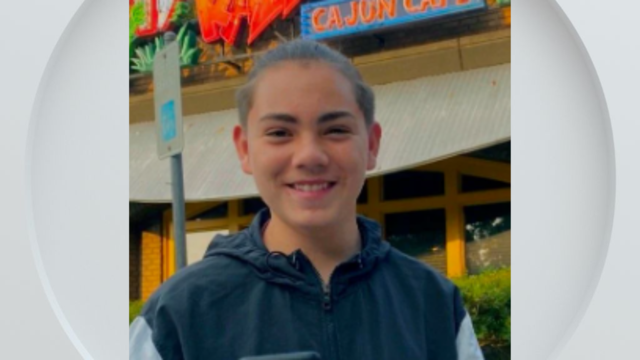
The family of a teenager shot and killed just days before Christmas outside a Woodland home is now fighting for answers and an arrest.

Public health officials reported the first case of bird flu in a person in Stanislaus County this year.
One person died on a Santa Cruz County beach and two went missing in Monterey County Monday after large waves battered the Northern California coastline amid a high surf warning.
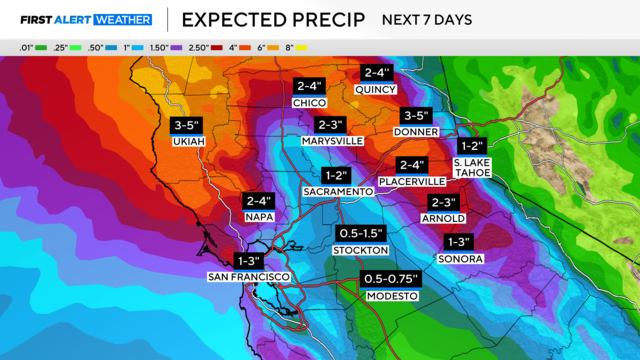
Another storm system is moving into Northern California just in time for Christmas Eve, bringing widespread rain to the valley and snow to the Sierra. Expect travel impacts just in time for the holiday.

There is no current severance between Dallas' biggest New Year's Eve party and Sky Elements Drone Shows.
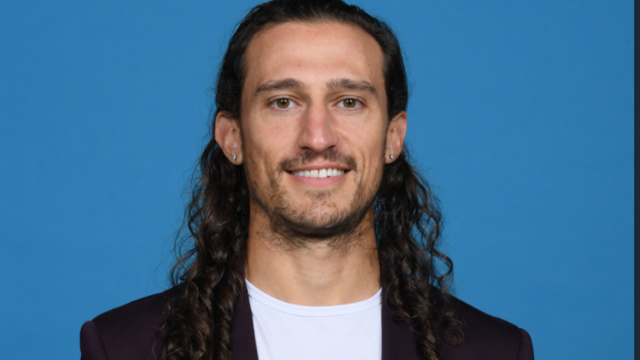
He replaces Latricia Trammell, who was dismissed in October after compiling a 31-49 record over two seasons.
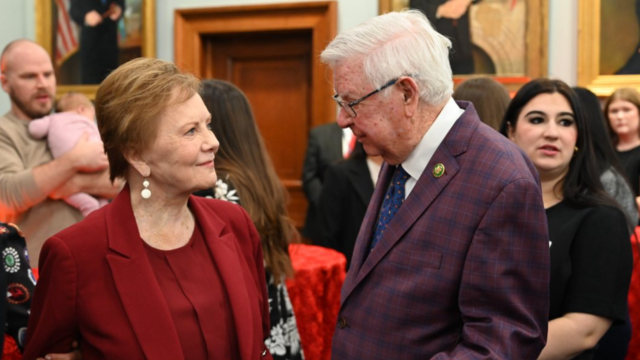
Her announcement followed a report by a conservative publication that said she had missed votes since late July.
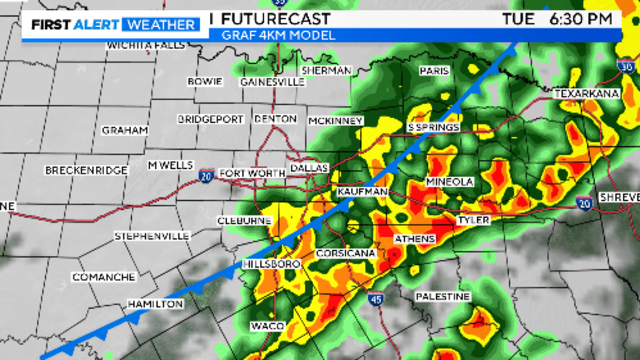
Christmas Day travel looks much better if driving out of this area in any direction.